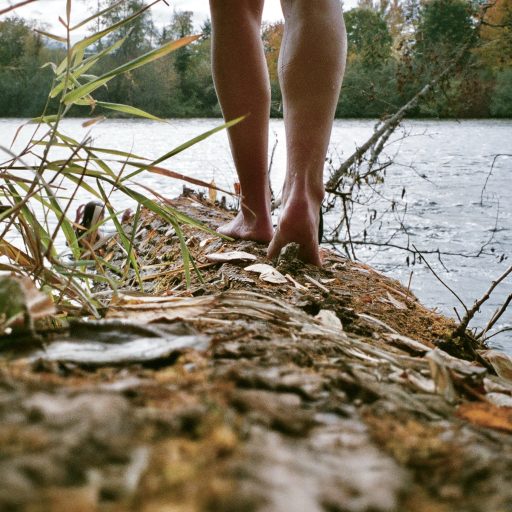
The cold seeps through the gaps in the door frames of this old house. It’s everywhere, crawling through the pipes and faucets, cold hands cupped on window panes, cold breath fogging the glass. We make fires out of old newspapers with year-old headlines. Some feel current: “virus ravages cramped homes in Los Angeles,” while others are jaded:“Biden bets on unity.” Archives are swallowed in blue and orange flames as we stay inside, perfecting the Sunday practices that we’ve translated into every day routines; we make eggs, we pick oranges, we do puzzles, we obsessively read today’s news with morbid fascination as though scouring it will make us feel better about the outcome. We listen to books, we play music, ping pong, we don’t clean the kitchen. We wake up and go to sleep acutely aware that we are the lucky ones yet on some still days, we are repulsed by the languid cycle of lives that are two-years-halted. On these days I feel guilty.
My mother and I no longer agree on politics. One night in December after an evening of wine she told me vaguely that she used to be like me. She said it because I was exhausted. She stood behind her leather chair with loss behind her eyes. I wonder if she meant like me, naively but exhaustively asking our broken political system for more. Or if she meant like me, knowing that her future was in the hands of a society that prioritizes wealth, infrastructure, technology. It is easy to forget that when I feel loss, she feels it twice. I am only here because she carried me.
I want to be angry at someone. I don’t know what to do with that anger, which I suspect is a mask for fear and sadness. So I call my mother when we are apart–when I am in Eugene–and I lose control, I don’t tell her about the run I went on this morning or the soup I made last night. I tell her about my anger as though she doesn’t have enough to be angry about herself. I used to cry often; anger was a foreign emotion that I did not know how to host. I worry now that if I wrest this anger the tears will never stop. I bury the feeling that that might be a good thing. I want to learn how to be sad. I want to remember that every time my hands are cold, someone else’s are colder.
Christmas comes and goes and we greet the new year with a familiar lack of celebration, our living room still piled with ribbons and wrapping paper and love, the luster of our new gifts fading into items in need of a place to be put away. We talk about wanting to write and sit in willful ignorance of that desire, choosing instead to sit in silence scouring the news online while our old newspapers burn. It rained in California for days, allowing us to live in blissful ignorance of the threat of drought. While we relish the rain, we read of communities similar to ours burned to the ground in fires strengthened by the emissions our country has failed to cap. We remain the lucky ones.
I obsess over the word should. I wonder if my craving for anger is a projection of the anger I harbor toward myself. I wish I had noticed my growing propensity for anger before my roof caved in—I sometimes feel buried in emotional rubble. I wonder if anger is synonymous with guilt. At what point does diagnosing one’s emotions become avoidant? I tell my mother at the end of the phone call that I am okay, I argue with her when she worries I’m depressed, I think about an unmasked childhood with rain in December and Christmas cookies and our wood-burning fireplace kindled with old newspapers and remind myself that we aren’t lucky, we are privileged. Anger is a forked road within me that leads to relief or to ruin, mine to navigate. Writing will always drive me to relief.
 loose change
Leave a comment